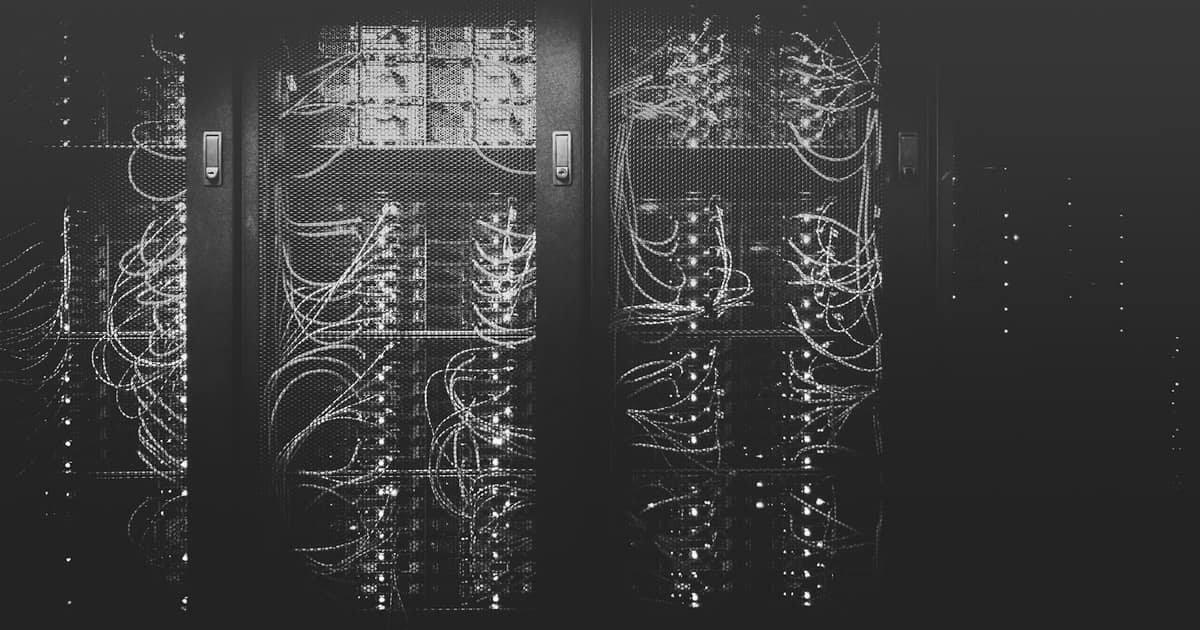
Network equipment is like plumbing: nobody thinks about it while it works. Which is exactly why, in many companies, a switch bought ten or more years ago hums quietly in a cabinet, connected by cables nobody has ever documented. Everything "works". It's just that nobody measures how slowly.
Symptoms that are easy to dismiss
Slow transfers of large files to the server. A backup that spilled from the night into the working morning and now drags everything else down. Video calls that stutter whenever several people copy something. Wi-Fi that's "weak" even though the access points are new, because they're plugged into a switch that chokes them.
Individually, each symptom looks minor. Added up over a year, it's hours of waiting per employee, a cost that appears on no invoice but gets paid in full every month.
What's a sensible standard today?
For most small and medium companies the picture looks like this: a gigabit link to every desk is the absolute minimum, while fast links (10G) are reserved for the network backbone: between switches, to the server and to network storage (NAS). That's where traffic concentrates and where an upgrade is felt most: the backup that took all night finishes before midnight, and working with large files directly off the server becomes imperceptible.
Beyond speed, modern managed switches bring things we've written about before: VLAN segmentation, traffic prioritisation (so a video call beats a download) and PoE power for cameras and access points: without a forest of power adapters in the ceiling.
Good news for the budget: reliable business-grade equipment with these capabilities is long past being corporate-only. With thoughtful selection, including quality previous-generation gear. Modernisation is more affordable than most expect.
Cables: the part everyone forgets
The fastest switch in the world won't help if the signal travels through a Cat5 cable laid fifteen years ago, kinked behind a cabinet. Every serious modernisation starts with an audit: what's installed, where it runs, what condition it's in and which of it supports the target speeds. Only then does choosing equipment make sense.
A network gets upgraded once every five to ten years. When it's done with a plan, measured before and after, the difference isn't something you describe. It's something you see on the clock.